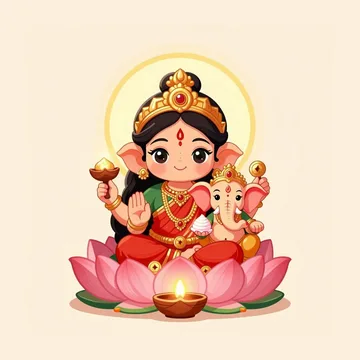
Diwali 2026 at a glance
| Diwali 2026 | |
|---|---|
| Date | Sunday, 8 November 2026 |
| Amavasya tithi | Begins 11:27 AM on 8 Nov, ends 12:31 PM on 9 Nov |
| Lakshmi Puja muhurat (Delhi) | 5:54 PM to 7:50 PM |
| Pradosh Kaal (Delhi) | 5:31 PM to 8:09 PM |
| Vrishabha lagna (Delhi) | 5:54 PM to 7:50 PM |
| Nishita Kaal (Delhi) | 11:39 PM to 12:31 AM, night of 8 to 9 Nov |
The five days of Diwali 2026
In 2026 the new moon (Amavasya) lasts until 12:31 PM on Monday, 9 November. Govardhan Puja needs Pratipada at sunrise, which happens only on Tuesday, 10 November, so most calendars show a one-day gap between Diwali and Govardhan Puja this year.
| Day | Date | What happens |
|---|---|---|
| Dhanteras | Friday, 6 November | Shopping for gold, silver and utensils, Dhanvantari and Kuber puja, Yama Deepam in the evening |
| Choti Diwali | Saturday, 7 November | Evening diyas (Bhoot Chaturdashi in Bengal, Kali Chaudas in Gujarat) |
| Lakshmi Puja (Diwali) | Sunday, 8 November | Narak Chaturdashi abhyang snan at dawn, Lakshmi-Ganesh puja in the evening, Kali Puja at night |
| Gap day | Monday, 9 November | Amavasya continues until 12:31 PM, so there is no main festival |
| Govardhan Puja | Tuesday, 10 November | Annakut and Govardhan puja (morning muhurat in Delhi 6:40 AM to 8:50 AM), Gujarati New Year (Bestu Varas), Bali Pratipada |
| Bhai Dooj | Wednesday, 11 November | Tilak for brothers, also Bhau Beej and Bhai Phonta |
Lakshmi Puja muhurat 2026 in your city
The best time for Lakshmi Puja is Pradosh Kaal (the first part of the night after sunset) while the Vrishabha (Taurus) lagna is rising. Vrishabha is a sthir (fixed) lagna, and doing the puja in it is believed to make Lakshmi stay in the home. Because sunset and the rising lagna depend on where you live, the muhurat is different in every city. Find yours below.
| City | Lakshmi Puja muhurat | Pradosh Kaal | Nishita Kaal (night) |
|---|---|---|---|
| Delhi | 5:54–7:50 PM | 5:31–8:09 PM | 11:39 PM–12:31 AM |
| Noida | 5:53–7:49 PM | 5:31–8:08 PM | 11:38 PM–12:31 AM |
| Gurugram | 5:55–7:51 PM | 5:32–8:10 PM | 11:40 PM–12:32 AM |
| Chandigarh | 5:52–7:46 PM | 5:30–8:09 PM | 11:40 PM–12:33 AM |
| Amritsar | 5:58–7:52 PM | 5:36–8:15 PM | 11:48 PM–12:41 AM |
| Ludhiana | 5:55–7:49 PM | 5:33–8:12 PM | 11:44 PM–12:37 AM |
| Dehradun | 5:48–7:42 PM | 5:25–8:04 PM | 11:35 PM–12:28 AM |
| Jaipur | 6:03–7:59 PM | 5:40–8:16 PM | 11:45 PM–12:37 AM |
| Agra | 5:53–7:50 PM | 5:30–8:07 PM | 11:36 PM–12:28 AM |
| Lucknow | 5:42–7:39 PM | 5:19–7:55 PM | 11:24 PM–12:16 AM |
| Kanpur | 5:45–7:42 PM | 5:22–7:58 PM | 11:27 PM–12:19 AM |
| Varanasi | 5:37–7:34 PM | 5:13–7:49 PM | 11:16 PM–12:08 AM |
| Patna | 5:28–7:25 PM | 5:04–7:40 PM | 11:07–11:59 PM |
| Kolkata | 5:20–7:18 PM | 4:55–7:29 PM | 10:55–11:46 PM |
| Bhopal | 6:02–8:00 PM | 5:38–8:13 PM | 11:39 PM–12:30 AM |
| Indore | 6:09–8:08 PM | 5:45–8:19 PM | 11:45 PM–12:36 AM |
| Ahmedabad | 6:22–8:20 PM | 5:58–8:32 PM | 11:58 PM–12:49 AM |
| Surat | 6:24–8:23 PM | 5:59–8:33 PM | 11:57 PM–12:48 AM |
| Mumbai | 6:27–8:27 PM | 6:02–8:34 PM | 11:57 PM–12:48 AM |
| Pune | 6:24–8:24 PM | 5:59–8:31 PM | 11:53 PM–12:44 AM |
| Nagpur | 5:59–7:58 PM | 5:35–8:08 PM | 11:32 PM–12:23 AM |
| Hyderabad | 6:07–8:08 PM | 5:42–8:13 PM | 11:35 PM–12:25 AM |
| Bengaluru | 6:17–8:19 PM | 5:51–8:20 PM | 11:39 PM–12:28 AM |
| Chennai | 6:06–8:08 PM | 5:40–8:09 PM | 11:28 PM–12:18 AM |
| Gaya | 5:30–7:27 PM | 5:06–7:41 PM | 11:08 PM–12:00 AM |
| Muzaffarpur | 5:26–7:22 PM | 5:02–7:38 PM | 11:06–11:58 PM |
| Bhagalpur | 5:21–7:18 PM | 4:57–7:33 PM | 11:00–11:52 PM |
| Darbhanga | 5:24–7:20 PM | 5:00–7:36 PM | 11:04–11:56 PM |
| Ranchi | 5:31–7:29 PM | 5:07–7:41 PM | 11:07–11:58 PM |
| Jamshedpur | 5:28–7:26 PM | 5:04–7:38 PM | 11:03–11:55 PM |
| Gorakhpur | 5:33–7:29 PM | 5:09–7:46 PM | 11:14 PM–12:07 AM |
| Prayagraj | 5:41–7:38 PM | 5:17–7:53 PM | 11:21 PM–12:12 AM |
All timings are for Sunday, 8 November 2026 (IST), calculated for the city centre. The Nishita Kaal runs past midnight into 9 November. If you cannot do the puja in the muhurat, any time in Pradosh Kaal that evening is also accepted, because Amavasya lasts all night.
Lakshmi Puja vidhi, step by step
- Clean the whole house in the days before Diwali, and on the day draw a rangoli at the entrance with small footprints of Goddess Lakshmi walking into the home.
- Before the muhurat, place a wooden chowki in the north-east corner, cover it with a red or yellow cloth, and spread a little rice or wheat on it.
- Set Lord Ganesha on the left and Goddess Lakshmi on the right (as you face them), with a kalash of water, a coconut and mango leaves next to them. Add Kuber, Saraswati or a silver coin if your family keeps them.
- Light a big ghee diya that should stay lit through the night, and smaller diyas around the puja place.
- Begin with Ganesh puja: offer roli, akshat (unbroken rice), flowers, durva grass and a modak or laddoo.
- Then worship Goddess Lakshmi: bathe the idol or coin with panchamrit and water, offer red flowers (lotus if you can find it), kumkum, haldi, a red chunari, kheel-batashe, sweets and fruits, and place money, jewellery and account books before her.
- Chant "Om Shreem Mahalakshmyai Namah" or read the Shri Suktam, then perform the Lakshmi aarti ("Om Jai Lakshmi Mata") and the Ganesh aarti with the whole family.
- After the puja, light diyas at the door, windows, kitchen, water tank and every corner of the house, share prasad, and take blessings from elders.
Lakshmi Puja samagri list
- Idols or pictures of Goddess Lakshmi and Lord Ganesha (many families buy new ones on Dhanteras)
- Wooden chowki, red or yellow cloth, rice or wheat, kalash, coconut and mango leaves
- Diyas, ghee and mustard oil, cotton wicks, camphor, incense sticks and a matchbox
- Roli, kumkum, haldi, sindoor, akshat, chandan, kalawa (sacred thread) and a red chunari
- Flowers and a garland (marigold, rose or lotus), durva grass and paan leaves with supari
- Panchamrit (milk, curd, ghee, honey and sugar), Ganga jal and a bell
- Kheel-batashe, sweets, fruits, dry fruits and coins or silver items for the puja
Why Diwali is celebrated
Diwali marks Lord Rama's return to Ayodhya with Sita and Lakshmana after fourteen years of exile and his victory over Ravana. The people of Ayodhya lit rows of lamps (deep-avali) to welcome him home on the dark new moon night of Kartik.
It is also the night Goddess Lakshmi is believed to have emerged from the ocean of milk during the Samudra Manthan, which is why she is worshipped on Diwali. In the South and in Goa, the festival remembers Lord Krishna's victory over the demon Narakasura. Jains celebrate it as the day of Lord Mahavira's nirvana, and Sikhs mark Bandi Chhor Divas, the release of Guru Hargobind Ji from Gwalior fort.
How Diwali is celebrated across India
In North India the evening Lakshmi-Ganesh puja, diyas on every ledge and the visit of friends and relatives with sweets are the heart of the day. Traders in Gujarat and Rajasthan perform Chopda Pujan, the worship of new account books, and the next morning is the Gujarati New Year. In Maharashtra families make faral (chakli, karanji, shankarpali and laddoo) and celebrate Lakshmi Pujan followed by Padwa and Bhau Beej.
In Tamil Nadu, Karnataka and Andhra Pradesh, Deepavali is celebrated at dawn on Naraka Chaturdashi with an oil bath, new clothes and crackers, which falls on the morning of 8 November in 2026. In West Bengal, Odisha and Assam the same night is Kali Puja, and in Odisha families also call their ancestors with burning jute sticks (Badabadua).
Tips for a safe and happy Diwali
- Keep diyas and candles away from curtains, rangoli powder and children's clothes, and keep a bucket of water or sand nearby.
- Check your city's rules before buying crackers. Many cities allow only green crackers, and only for a fixed time window on Diwali night.
- Keep pets indoors in a quiet room, and look out for elderly people and anyone with asthma when the air quality is poor.
- Buy sweets and khoya from trusted shops. Adulterated mawa and silver varq are common in the festive rush.
- Light diyas with ghee or mustard oil rather than plastic electric lights alone: it is the traditional way, and it looks beautiful.